Partner Support
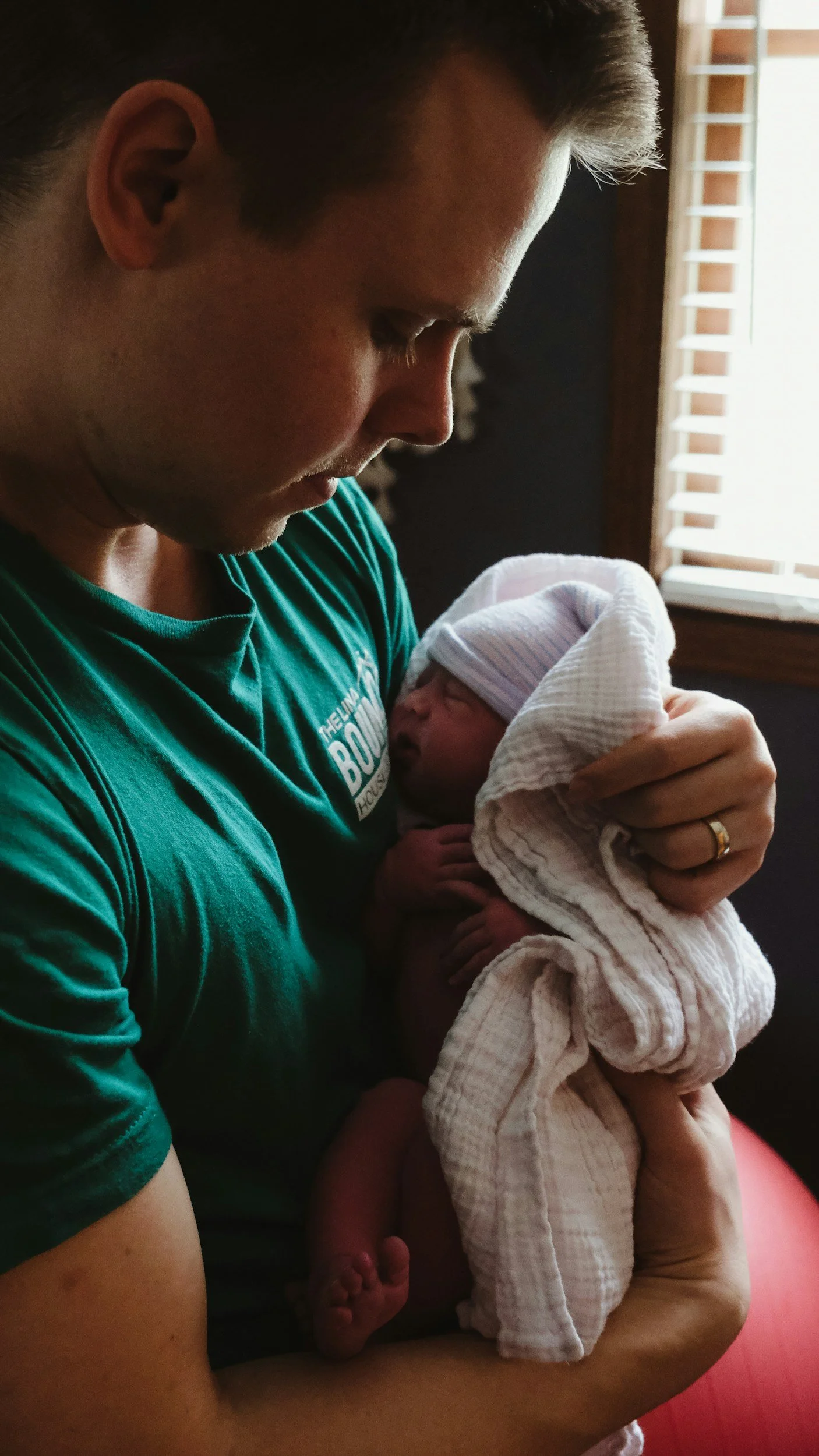
About 10% of new fathers and partners experience postpartum depression too.
You’re also adjusting and deserve support as well.
Partners and co-parents go through their own version of this transition, often while feeling like they're not allowed to struggle, or that their job is just to hold everything together for someone else. You might be watching someone you love suffer and not know how to help, managing your own anxiety or low mood that no one's asked about, or feeling shut out of a bond that seems to form without you, or noticing new tension in your relationship. Your experience of this transition matters too.
Frequently Asked Questions
What Is Partner Postpartum Depression & Anxiety?
Partners and non-birthing parents can experience their own postpartum depression and anxiety, sometimes called paternal or partner postnatal depression. It can look like irritability, withdrawal, increased work hours as an avoidance strategy, anxiety, or a quiet sense of disconnection. It's frequently overlooked because attention naturally centers on the birthing parent.
Can partners get postpartum depression too?
Yes. Research consistently shows partners and non-birthing parents can experience their own postpartum mood and anxiety symptoms, often triggered by sleep loss, identity shifts, financial stress, and watching a loved one struggle.
Is it selfish to want support when my partner is the one who gave birth?
No. Supporting your partner well often depends on you having support of your own. Taking care of your mental health isn't taking away from theirs, it strengthens your capacity to show up for your family.
How can therapy help our relationship during this transition?
Therapy can give you tools to communicate under stress, understand what your partner is going through, process your own adjustment, and rebuild connection as you both settle into this new phase together.