Loss & Grief
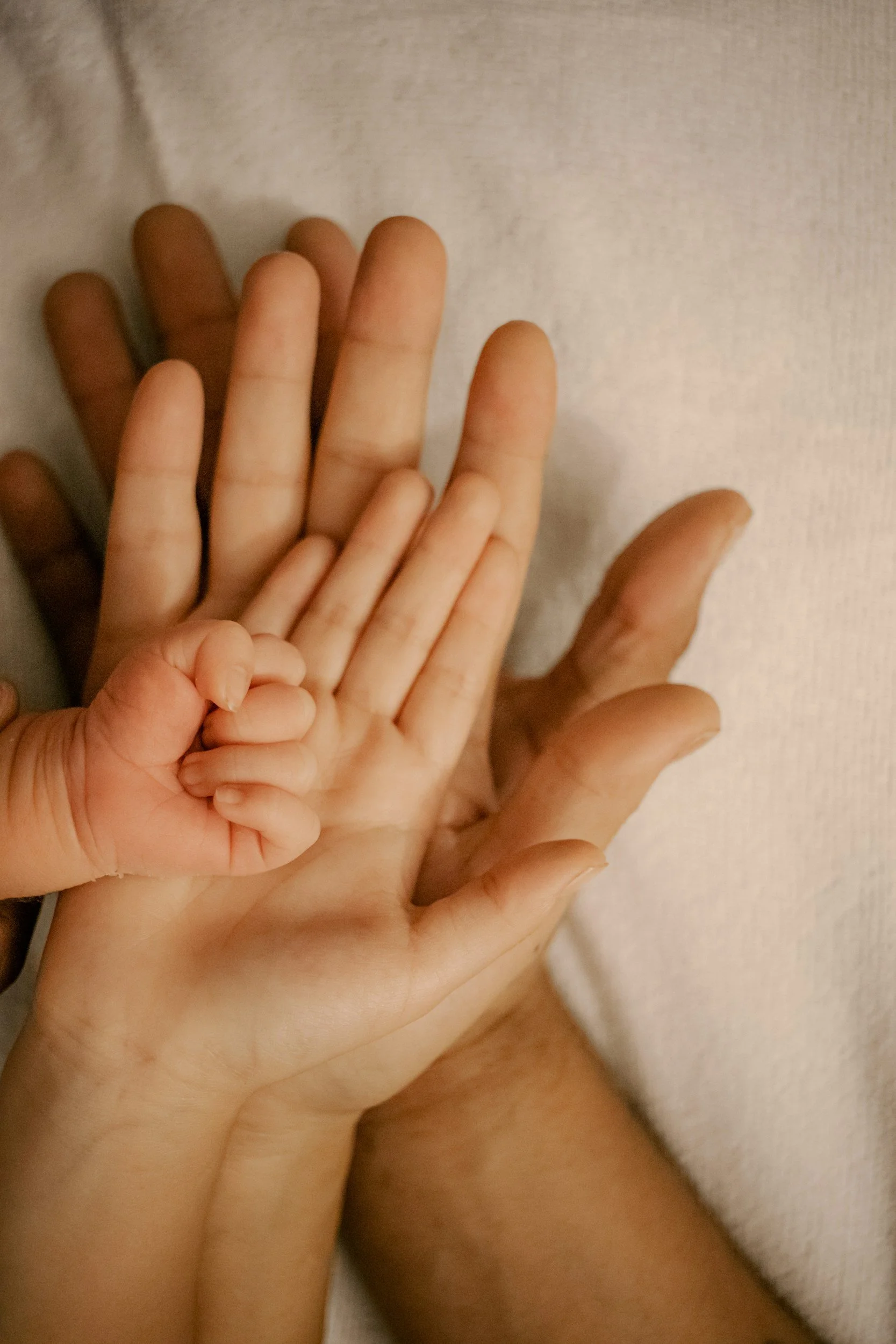
About 10-20% of known pregnancies end in miscarriage. A loss that’s far more common than it’s talked about.
Your grief deserves space, however it looks.
Miscarriage, stillbirth, infant loss, and the grief of infertility are losses that often go unacknowledged by the people around you, but that doesn't make them any less real. You might be grieving a due date, a pregnancy that didn't feel safe to hope for, or a version of parenthood you imagined. If you're pregnant again after a loss, that grief can tangle with anxiety in ways that are exhausting to carry alone. This is a space to grieve without having to explain or justify it.
Frequently Asked Questions
What Is Perinatal Loss?
Perinatal loss includes miscarriage, stillbirth, infant loss, and the ongoing grief of infertility. Because these losses are often invisible to others, the grief can feel especially isolating. It's a real loss that deserves real space to be felt.
What Is Pregnancy-After-Loss Anxiety?
If you become pregnant again after a loss, it's common for grief, anxiety, joy, and sadness to tangle together. This is a distinct and treatable experience, not something you have to just push through.
Is it normal to grieve a loss that happened early in pregnancy?
Yes. Grief isn't determined by how many weeks along you were, it's determined by what that pregnancy meant to you. An early loss is still a loss.
How long does grief like this last?
There's no set timeline. Grief can resurface around due dates, anniversaries, or milestones, sometimes long after people expect you to have "moved on." Support isn't about rushing that process, it's about not carrying it alone.
Can therapy help with anxiety in a pregnancy after loss?
Yes. Therapy can help you find ways to stay present and hopeful without needing to suppress your fear, and can give you tools to manage anxiety around specific milestones or symptoms.